How Implant Surface Technology Impacts Osseointegration and Success Rates
Introduction
One of the most critical factors in dental implant success is osseointegration—the process by which bone bonds with the implant surface. Advanced surface technology plays a major role in improving this process.
What is Osseointegration?
Osseointegration is the biological process where:
-
Bone cells attach to the implant surface
-
The implant becomes stable and functional
-
Without proper osseointegration, implant failure can occur.
Role of Surface Technology
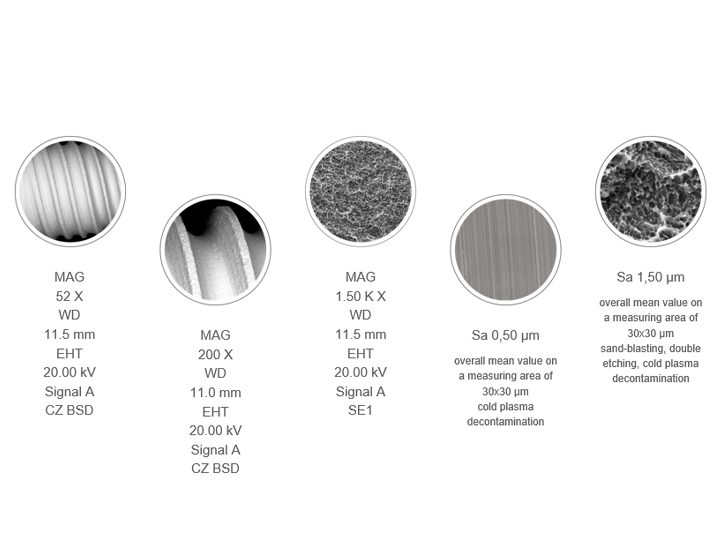
1. Surface Roughness
Micro-rough surfaces:
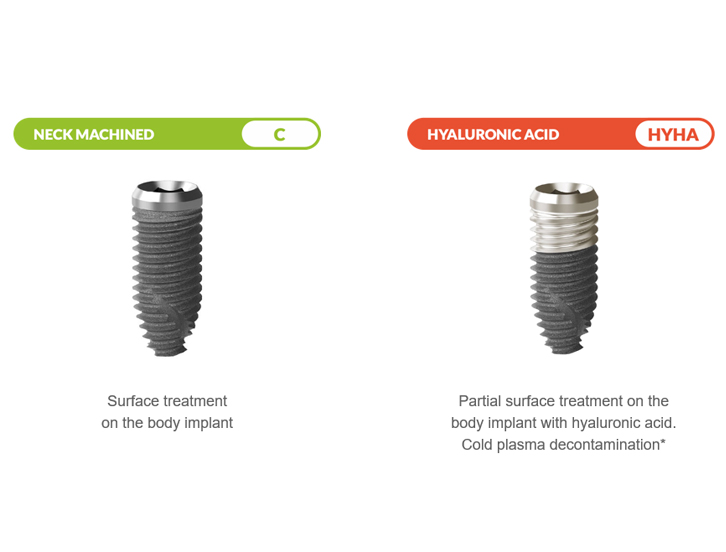
2. Surface Coating & Treatment
Modern implants use:
3. Faster Healing
Improved surface technology allows:
-
Early loading
-
Reduced healing time
-
Better patient comfort
4. Impact on Success Rates
Better surface technology leads to:
5. Why It Matters for Dentists
Understanding surface technology helps dentists:
Conclusion
Surface technology is not just a feature—it is a key factor that determines implant success. Choosing advanced systems like iRES ensures better clinical outcomes and long-term reliability.